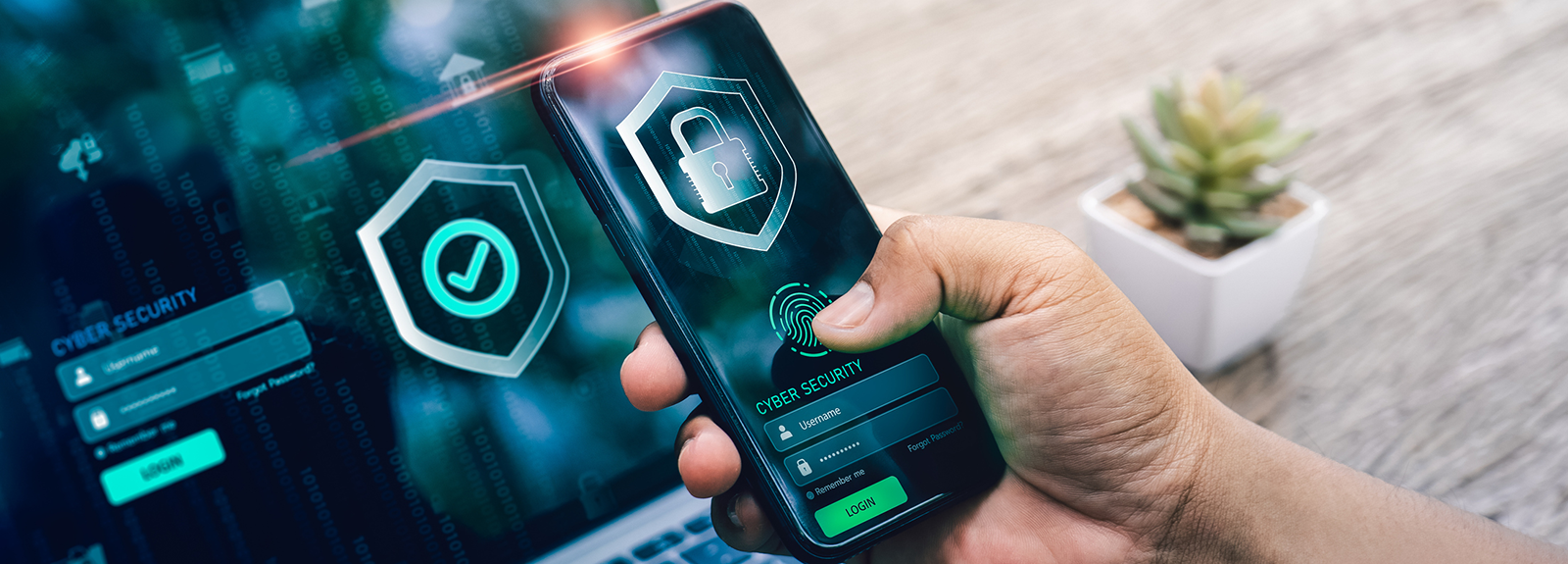
In today's digital world, cyber and data security are critical for community banks. The proliferation of social media and the surge of sensitive data moving across the world in an instant have also resulted in a sharp rise in fraudulent activity. According to the Federal Trade Commission (FTC), consumers reported losing more than $12.5 billion to fraud in 2024, a 25% increase over the prior year.
Community banks, like Taylor Bank, serve as the first line of monetary defense for our customers. We adhere to strict industry standards to protect electronic systems, data applications, and networks from cyber interference. Our staff undergo routine cybersecurity training to identify and stop potential attacks. But protecting against cyber threats isn't just the responsibility of the bank—an informed consumer is one of the most important safeguards.
Best Practices for Consumers to Reduce Cybersecurity Risks
To help you minimize the risk of identity theft and fraud, we’ve compiled a list of best practices:
- Enable the strongest multifactor authentication offered by our bank. Popular authentication methods include biometrics and separate authenticator apps.
- Use unique passphrases as passwords and differentiate them across multiple platforms. Longer passwords can be both easier to remember and harder for hackers to crack.
- Purge old and unused apps which may store sensitive information and ensure all software on internet-connected devices is current.
- Limit information shared on social media. Just a few data points can create a pathway for exploitation by cybercriminals.
- Be cautious with public Wi-Fi. Avoid conducting sensitive activities, like banking, over public Wi-Fi. When making purchases away from your home or work network, use a virtual private network or mobile hotspot.
Monitor and Protect Your Accounts
It’s essential to regularly monitor your accounts and stay proactive about protecting your information. Here’s how to ensure your data remains secure:
- Keep a close eye on account activity. Check for any unusual transactions and immediately report irregularities to your bank, as 74% of cybersecurity breaches are caused by human error.
- Back up essential information and store it safely. This ensures you can retrieve your data in the event of a ransomware attack.
- Avoid storing card information. When shopping online, refrain from saving credit and debit card details on websites or apps.
- Watch for red flags. Be mindful when browsing or shopping online. Misspelled website names, suspicious URLs, and sites lacking contact information are indicators of potential scams.
- Use secure websites. Confirm websites are legitimate and secure before entering personal information. Look for https:// in the address bar and watch for misspellings or suspicious web addresses.
What to Do in the Event of a Data Breach
If you believe you’ve been the victim of a data breach, here are steps to protect yourself from further damage:
- Consider a security freeze on your credit report, which restricts access to your credit file, to prevent fraudsters from opening new accounts in your name.
- Set up a fraud alert. This instructs banks and creditors to verify your identity before any new accounts are opened, or changes are made to existing accounts.
- Report the incident. Immediately report identity theft, stolen finances, or other cybercrimes to the Internet Crime Complaint Center, your local law enforcement, and your state’s attorney general.
At Taylor Bank, we take cybersecurity seriously and remain committed to protecting our customers from evolving threats. But we can't do it alone. Together, we can create a safer digital environment for everyone.